Elevate your talent attraction and retention with free employee benefits. Uncover a platform that effortlessly entices, engages, and retains your valuable staff.
Get a free demoSee how leading healthcare organisation Healius turned turnover into triumph with Flare.
Read Healius’ storyDevelop your business skills and HR expertise with the Flare Benefits Resource Hub. Get access to helpful tools, articles, guides, webinars, and other on-demand resources that can help your business attract, hire, and retain top talent.
Explore insights from our comprehensive survey of 1500+ Australian workers across a variety of industries, revealing the benefits that genuinely make an impact.
Still haven't found what you're looking for? We're here to help.
Get in touchAuthor: Danny Thai | 6 Nov 2026
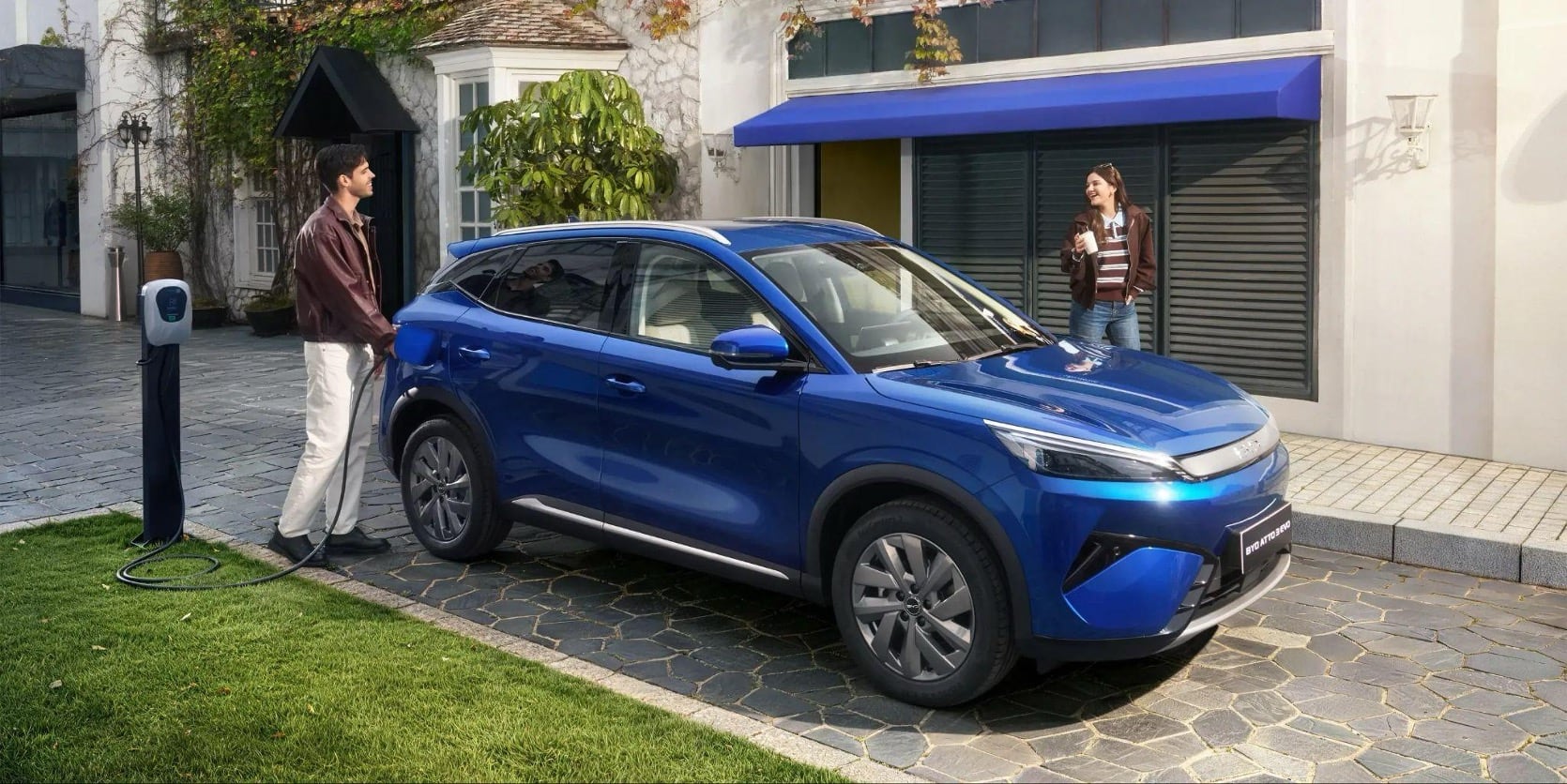
Australians are warming to electric vehicles faster than many expected. New research from NRMA Insurance shows interest in EVs has climbed sharply in two years, and millennials are leading the charge.
Now aged roughly 30 to 45, millennials are in their peak working and car buying years. According to IAG brand ROLLiN’, almost 90% of millennials intend to buy an EV as their next car. That makes them the most EV-ready generation in the country.
But the same research also shows buyers still have real questions about batteries, charging and resale value. Here’s what the numbers say, and what they mean if you’re weighing up your next car.
The NRMA Insurance Changing Gears report, which surveys around 2,000 Australians, shows consideration of both battery electric vehicles (BEVs) and plug-in hybrids (PHEVs) is up strongly.
Measure
2024
2026
Change
Would consider a BEV
20%
31%
+11 pts
Would consider a PHEV
41%
58%
+17 pts
Believe EVs can't meet everyday driving needs
45%
38%
-7 pts
Would not consider an EV at all
N/A
17%
N/A
Only 17% of Australians now say they wouldn’t consider an EV. Fewer people also believe an EV can’t handle their daily driving. Familiarity makes a big difference too. Among people who know EVs well, 63% would consider buying one, compared with 24% of those who don’t.
Millennials are more engaged with EVs than any other age group. According to ROLLiN’:
Increasing fuel prices continues to be the main driver behind the switch to EVs. Petrol prices have been volatile, and many drivers in this age group are covering long commutes, school runs and weekend trips. Swapping a fuel bill for home charging is a practical way to make running costs more predictable.
It also matters that millennials are the generation most likely to be salaried employees with access to salary packaging. For many, that opens up a novated lease, which is one of the most cost-effective ways to drive a new EV in Australia.
Under the federal Electric Car Discount, eligible battery electric vehicles under the luxury car tax threshold for fuel efficient vehicles are exempt from fringe benefits tax (FBT) when provided through a novated lease. That means you can pay for the car, and often its running costs, from your pre-tax salary without the FBT bill that applies to petrol cars.
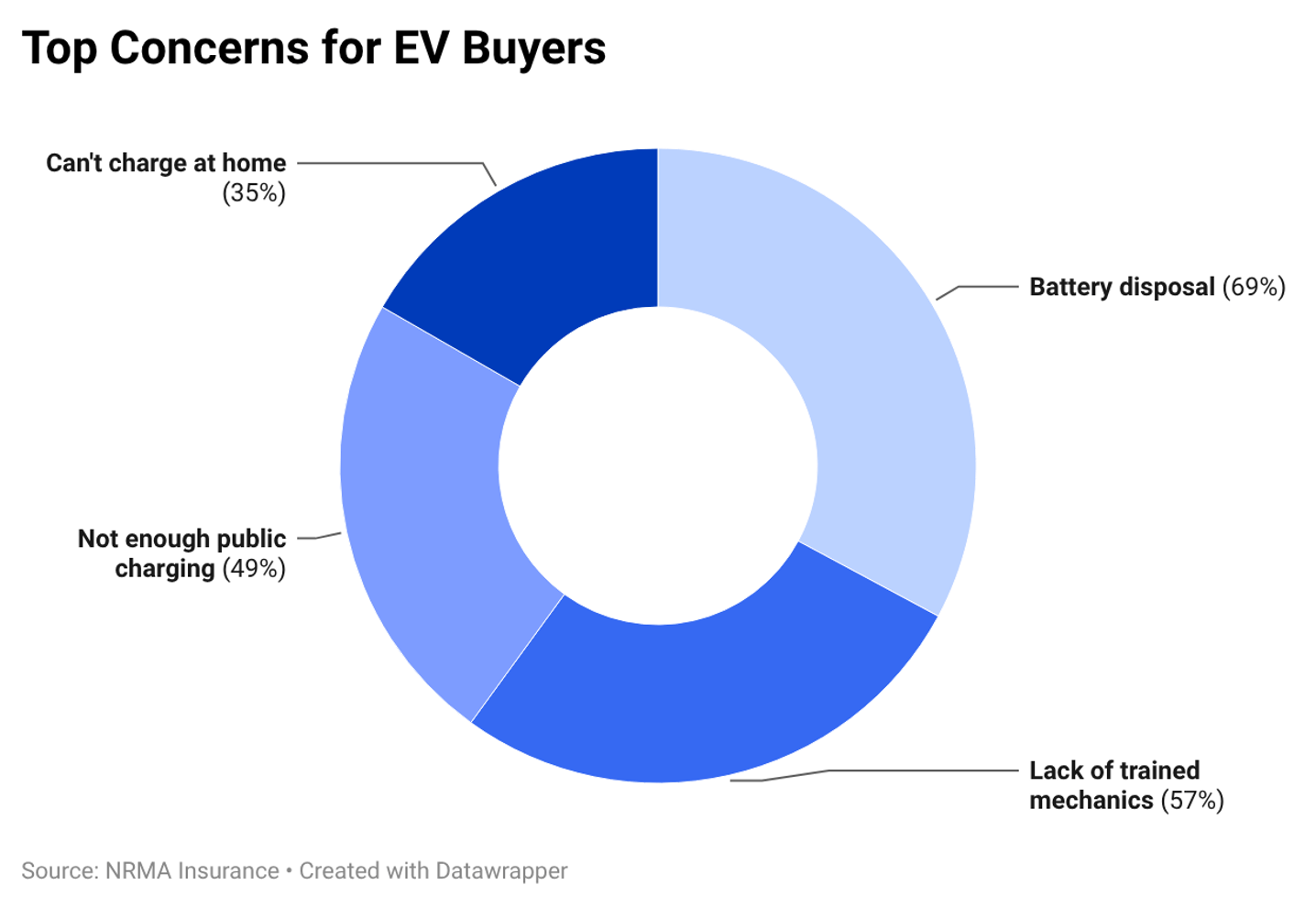
Interest is rising, but the research is clear that concerns haven’t gone away. Among the 17% who wouldn’t consider an EV, battery life was the most common barrier, cited by 60%.
Across all respondents, the main practical concerns are summarised in the chart below.
Confidence in EV resale value has also slipped, from 76% in 2024 to 56% in 2026. That reflects what has happened in the market. As prices on new EVs have fallen and more models have arrived, used EV values have come down faster than many owners expected.
Battery health is the thread that runs through most of these concerns. That’s why 82% of Australians support independent battery health testing and disclosure when an EV is sold.
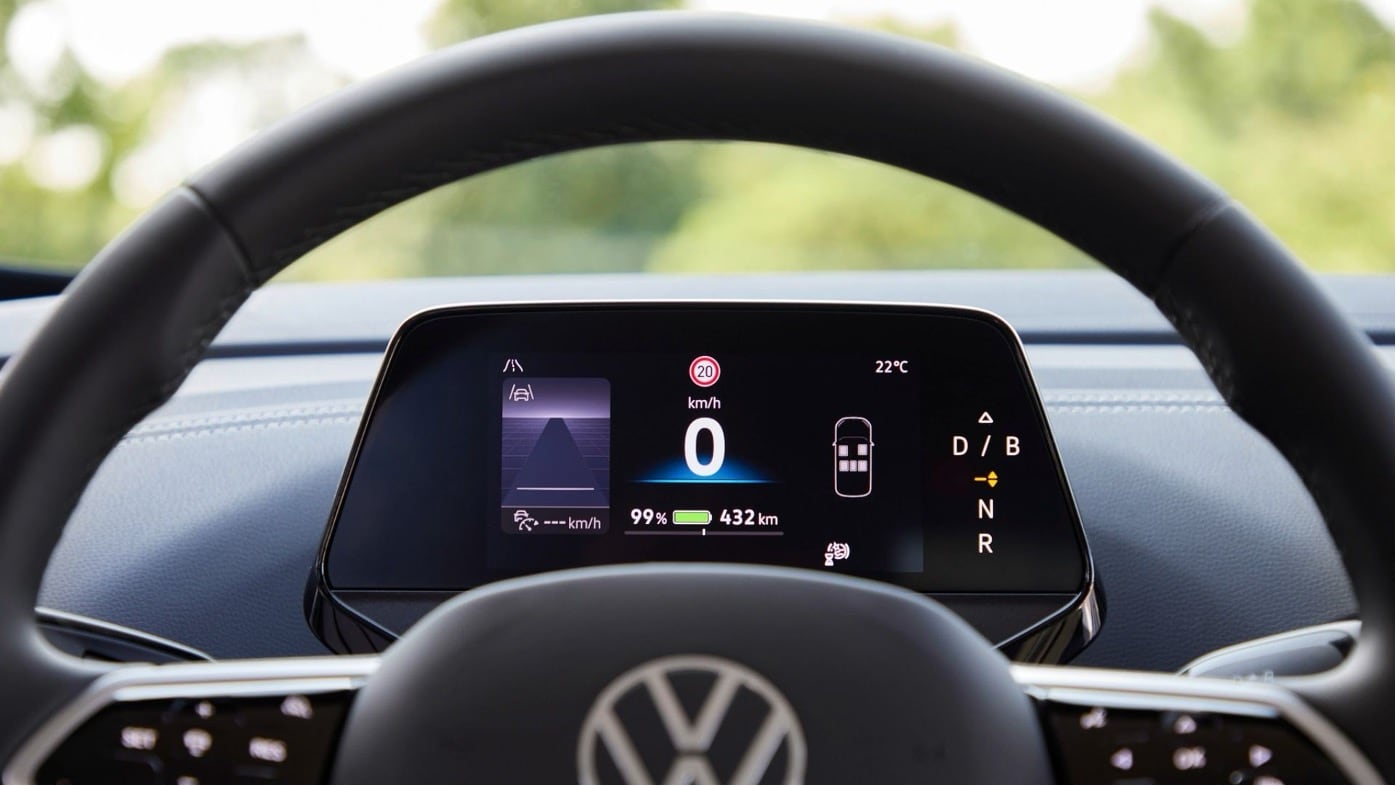
Source: Volkswagen
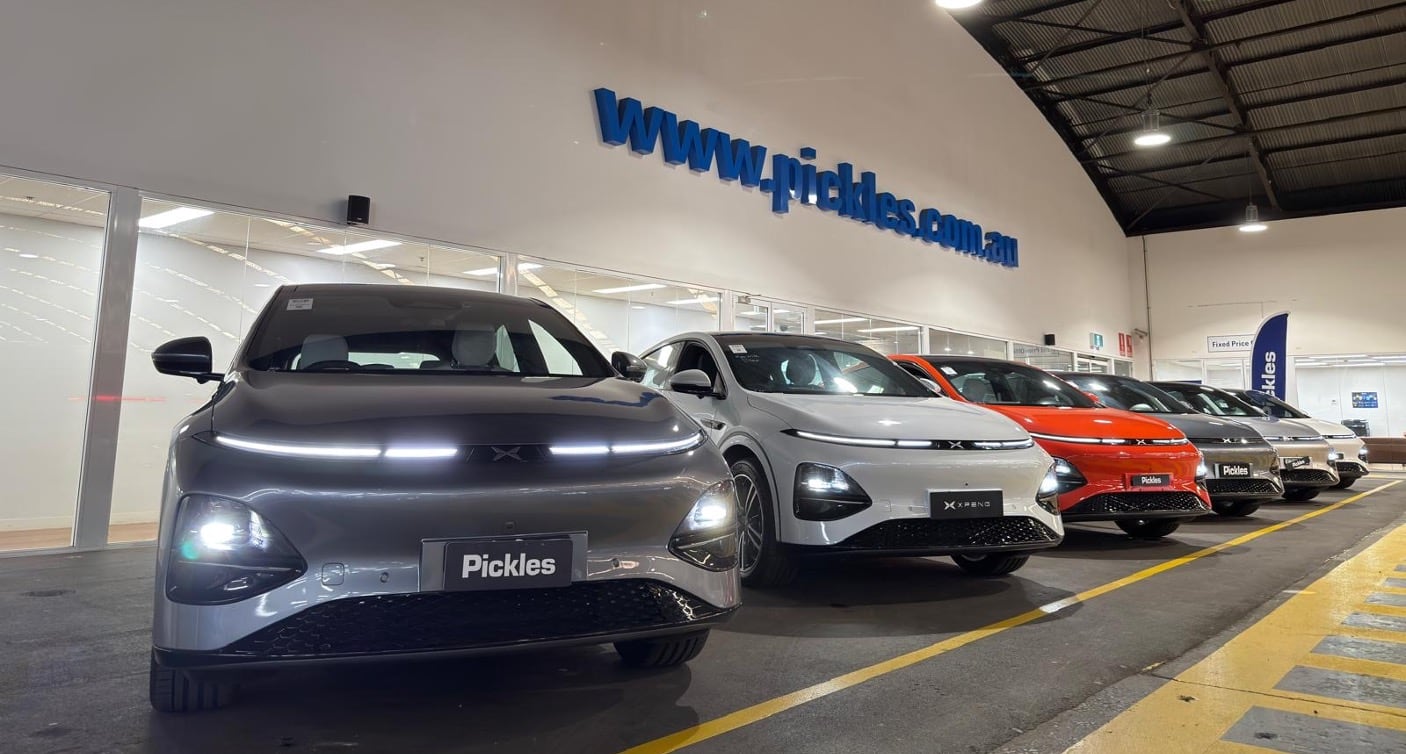
The research also shows growing interest in second-hand EVs. More than half of Australians (54%) would consider a used EV, and 7% would only buy used. Used EV sales grew 54.6% year on year in the first half of 2026.
A used EV can also be packaged through a novated lease. To qualify for the FBT exemption, the car must be a zero or low emissions vehicle that was first held and used on or after 1 July 2022, and meet the other eligibility rules. A used EV that was first sold before that date doesn’t qualify.
Source: Pickles
More Australians are now open to EVs, especially millennials, and the main concerns are practical ones that can be planned around. Battery warranties, home charging and running costs are all things you can check before you commit.
If you’re an employee thinking about your next car, it’s worth comparing an EV on a novated lease against what you’d pay to buy and run a petrol car outright. With the FBT exemption, the gap is often larger than people expect.
👉 Ready to see the numbers for your own situation? Get an EV novated lease quote and see how an EV fits your weekly budget.